Mandera County declares severe drought emergency as water sources dry up
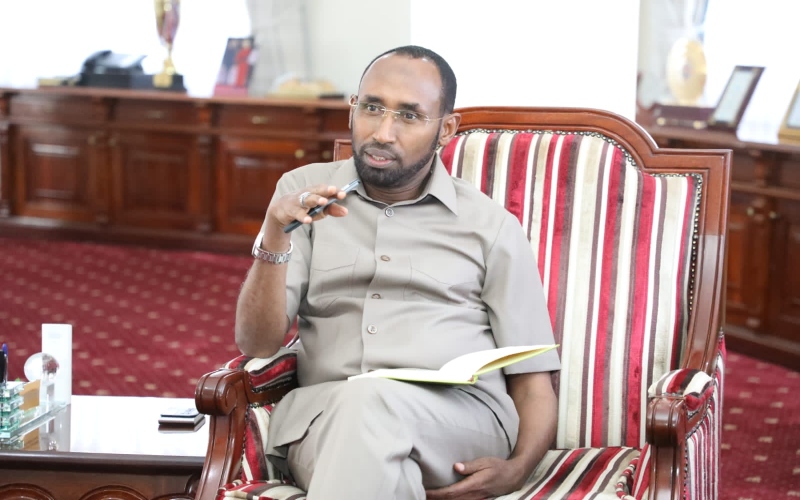
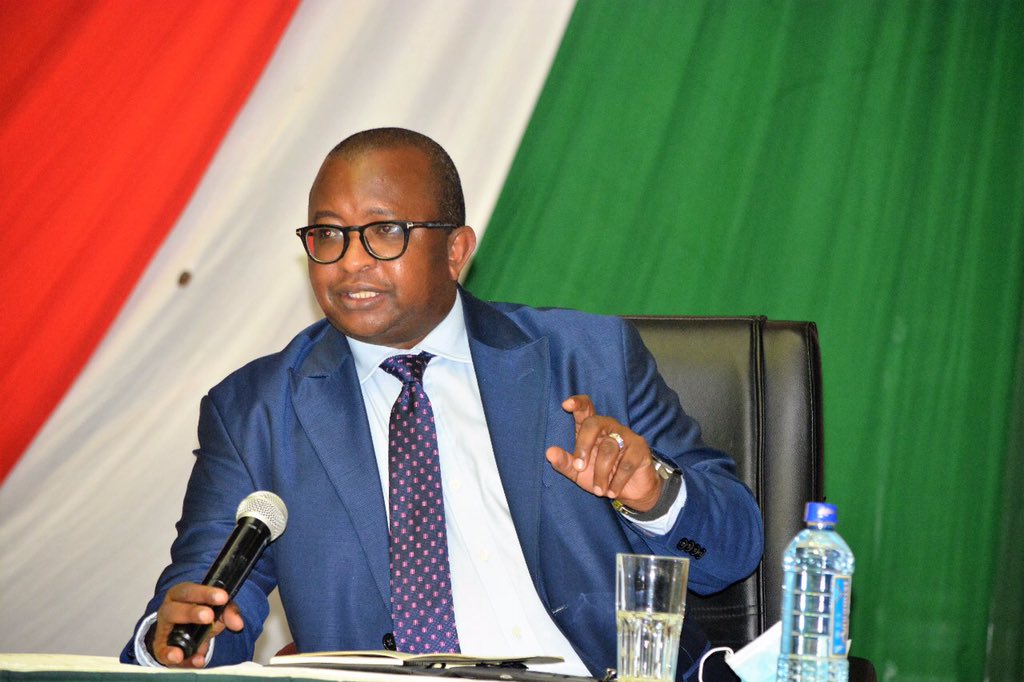
Governor Mohamed Adan Khalif said the crisis has depleted over 95 per cent of surface water sources, forcing residents to rely almost entirely on boreholes and emergency water trucking.
Mandera County has declared a severe drought of emergency after three consecutive rainy seasons failed, leaving thousands without reliable water and food.
Governor Mohamed Adan Khalif said the crisis has depleted over 95 per cent of surface water sources, forcing residents to rely almost entirely on boreholes and emergency water trucking.
More To Read
- Mandera herders lose livestock and hope as Governor Mohamed Khalif announces emergency relief measures
- Mandera County Commissioner assures residents of security ahead of Banisa by-election
- Mandera launches emergency food aid for 15,000 amid deepening drought
- Over 170,000 livestock targeted as Mandera and Garissa ramp up vaccination drives
- Mandera residents challenge gazette-only notices in landmark land case
- Court temporarily halts Mandera County land allocation
“Mandera County is once again confronting an exceptionally severe drought emergency that has placed immense pressure on households, livestock and critical social services across all our twelve sub-counties,” he said.
He noted that the October–December 2024 rains failed, followed by the complete collapse of both the March–May and October–December 2025 rainy seasons.
“The cumulative impact has left water sources depleted, livelihoods disrupted, and families struggling to cope,” he added.
Recent assessments by the Department of Water Services, in collaboration with the NDMA and DRM units, show that more than 95 per cent of surface water sources, including underground water tanks, water pans and traditional catchments, have dried up.
Currently, 120,000 residents are receiving water through trucking, and this number is expected to rise to over 250,000 by January 2026 if no rainfall occurs. High demand is reported in Mandera North, Dandu, Mandera West, Banisa, Kiliwehiri, Kutulo, Lafey and Ashabito.
“There are 186 active water trucking sites across the county, a number expected to exceed 300 in the coming weeks. Our fleet of six hired and four government-owned water bowsers is overstretched. To meet the increasing demand, we require 40 additional bowsers for domestic supply and 37 for livestock watering,” the governor said.
Of the 232 boreholes in Mandera County, 225 remain operational, while nine newly drilled boreholes still need equipping. Many active boreholes are in urgent need of rehabilitation due to pump failures, depleted motors and structural wear.
Governor Mohamed noted that Rapid Response Maintenance Teams have attended to 18 emergency breakdowns in October and November, but require additional resources to meet growing needs.
“The humanitarian situation is acute in areas such as Banisa, Kiliwehiri, Mandera West, Kutulo, Lafey, Ashabito, Dandu, Mandera East, Mandera South and Mandera North, where communities depended on water pans that are now fully dry,” he said.
To stabilise the water supply, the county is initiating the drilling and equipping of 21 emergency boreholes and the equipping of nine already drilled boreholes in these vulnerable regions.
The governor warned that the drought’s impact extends beyond water scarcity.
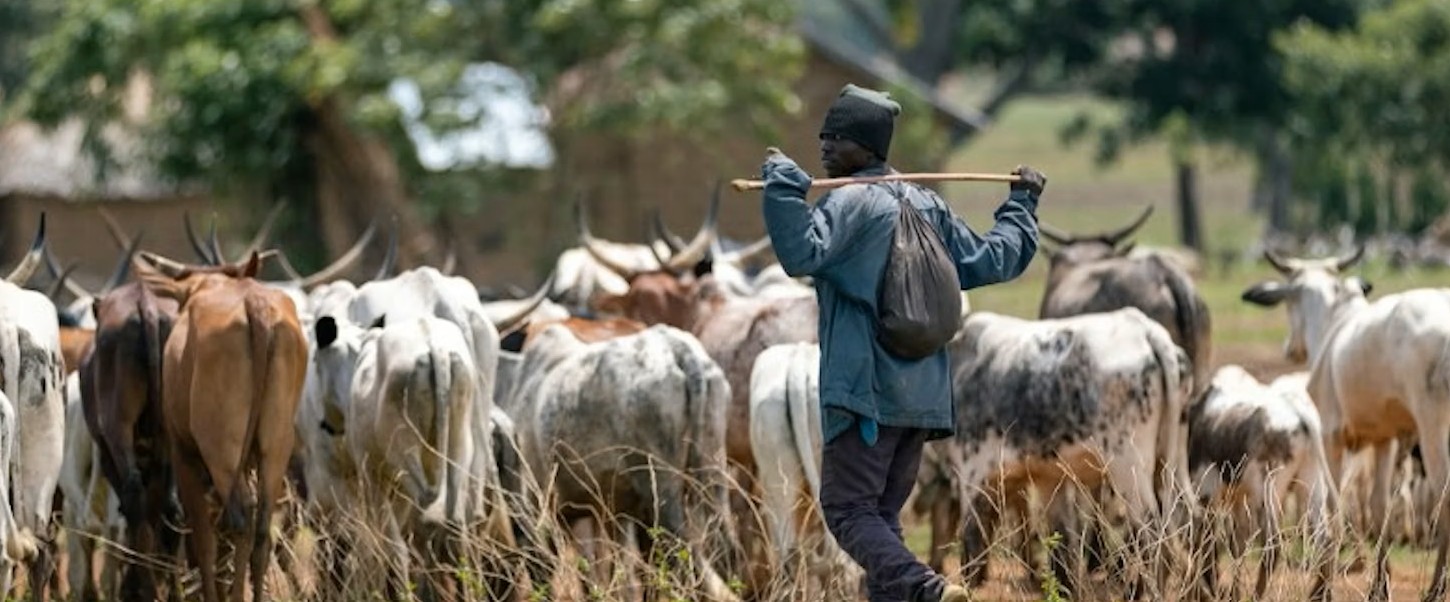
“Rangelands are severely depleted, forcing livestock to travel long distances for pasture. Milk production has fallen, household nutrition is weakened, and livestock market value has declined,” he said.
According to the 2025 Long Rains Assessment, Mandera remains in IPC Phase 3 (Crisis - food insecurity), with about 335,000 residents in need of humanitarian assistance.
“Without immediate support, vulnerable families risk sliding into even more critical conditions,” the governor added, noting that water scarcity and rangeland degradation have triggered both internal and cross-border livestock migration, heightening tensions and increasing conflict risks over dwindling resources.
The county government has begun rolling out a range of rapid interventions to mitigate the crisis and support affected communities.
Top Stories Today